Metro Detroit offers homebuyers a remarkable range of communities, each with a personality all its own. Two of the most sought-after areas sit on opposite sides of the metro: Grosse Pointe along the eastern lakeshore and Royal Oak in southern Oakland County. Both attract buyers who want strong schools, walkable retail districts, and easy access to Detroit’s cultural offerings, but the day-to-day experience of living in each place is noticeably different. If you are weighing Grosse Pointe homes against Royal Oak homes, here is what you need to know.
Location and Access
Grosse Pointe is actually five separate municipalities: Grosse Pointe, Grosse Pointe Park, Grosse Pointe Farms, Grosse Pointe Woods, and Grosse Pointe Shores. Together they form a narrow strip along Lake St. Clair on the east side of the metro, bordered by Detroit to the west and south. Residents reach downtown Detroit in about 15 minutes via Jefferson Avenue or I-94, and I-696 provides a direct route to Oakland County and points west.
Royal Oak sits along the Woodward Avenue corridor in southern Oakland County, roughly 12 miles north of downtown Detroit. I-75 runs along its western edge and I-696 crosses the southern portion, making commutes to Detroit, Troy, Southfield, and Ann Arbor straightforward. The city’s position on Woodward also means easy access to events like the Woodward Dream Cruise, which passes directly through town each August.
House Prices and Options
The housing in these two communities reflects their distinct histories and development patterns.
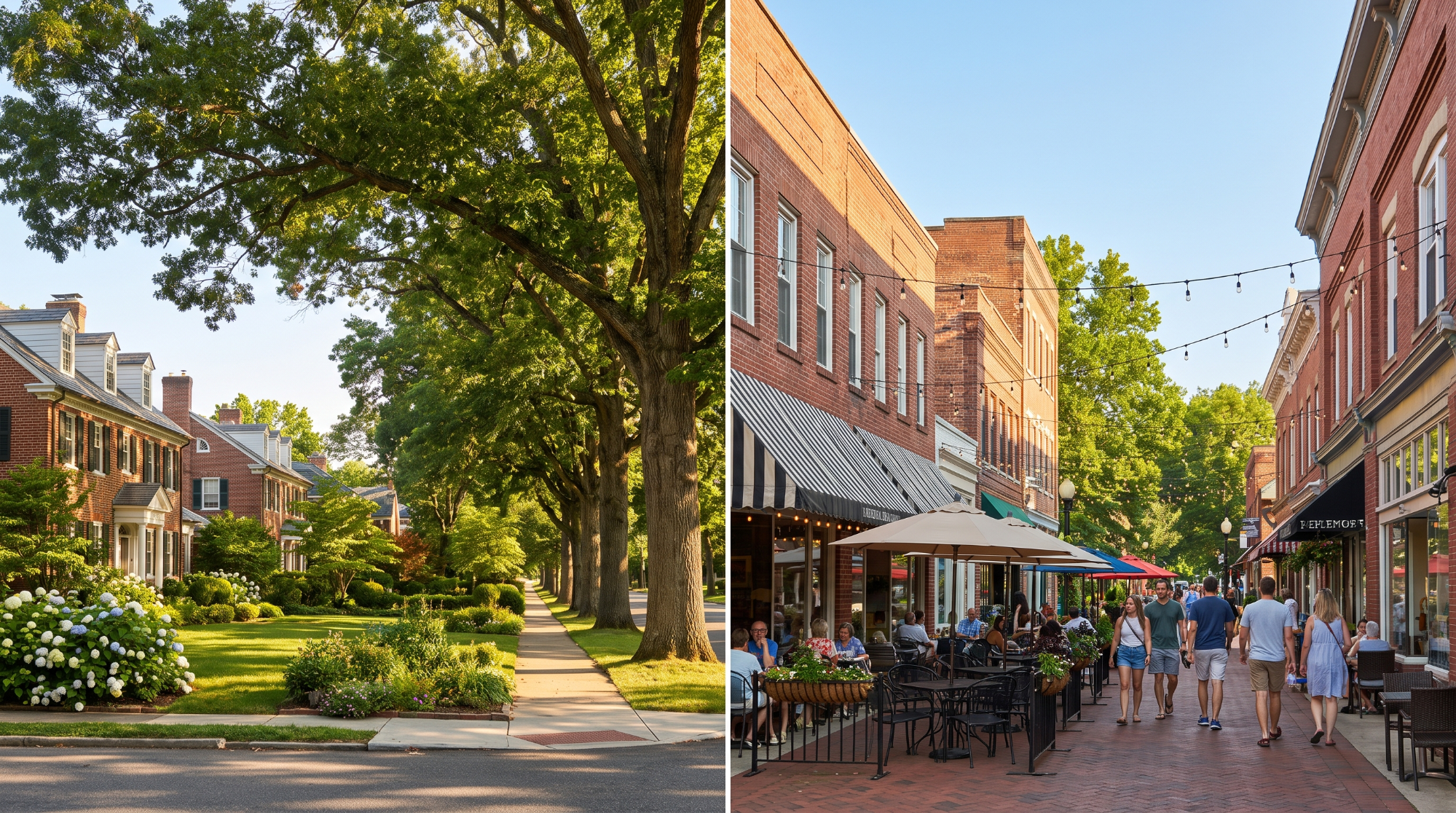
Grosse Pointe homes include stately Colonials, English Tudors, and classic brick bungalows, many dating back to the early 1900s when Detroit’s industrial wealth fueled construction of grand residential neighborhoods along the lake. Lot sizes are generous by metro standards, and mature trees line most streets. Prices for Grosse Pointe homes range widely, from the mid-$200,000s for smaller bungalows in Grosse Pointe Woods up to several million dollars for lakefront estates in Grosse Pointe Shores and Grosse Pointe Farms. The architectural character of these homes, with original millwork, leaded glass windows, and detailed masonry, attracts buyers who appreciate craftsmanship that is difficult to replicate today.
Royal Oak homes tend toward 1920s and 1930s bungalows, midcentury ranches built during the postwar boom, and a growing number of newer construction projects including condos and townhomes near the downtown core. The city’s walkable grid layout means that many homes sit on compact lots, but this density is part of what makes the neighborhood feel connected and active. Prices for Royal Oak homes generally fall in the low-to-mid $200,000s to $400,000 and above, depending on proximity to downtown, lot size, and renovation level. Updated bungalows with open floor plans and finished basements are especially popular with buyers in this market.
Grosse Pointe vs. Royal Oak Schools
Education is often a top priority for homebuyers with children, and both communities deliver strong options.
Grosse Pointe Public Schools consistently rank among the top districts in Michigan. The district operates two comprehensive high schools, Grosse Pointe North and Grosse Pointe South, both offering extensive Advanced Placement coursework, competitive athletics, and well-funded arts programs. The district’s reputation is a significant driver of home values across all five Grosse Pointe communities.
Royal Oak School District has earned solid performance marks and has invested in recent facility upgrades across its elementary, middle, and high school buildings. The district serves a diverse student body and offers a range of academic and extracurricular programs. Royal Oak also benefits from proximity to several well-regarded private and charter school options, giving families additional choices.
Who Lives Here
The demographics of each community shape the social fabric and overall feel.
Grosse Pointe attracts a higher concentration of established families. Many residents have generational ties to the area, and the community has a traditional, rooted quality. You will find households that have lived on the same street for decades, and neighborhood traditions like holiday home tours and lakefront gatherings reinforce that sense of continuity.
Royal Oak draws a broader mix of residents: young professionals renting their first apartment near downtown, couples buying starter homes in the neighborhoods south of 13 Mile Road, families with school-age children in the northern sections, and empty nesters downsizing into condos. This range of life stages gives Royal Oak an energetic, evolving character that many residents cite as one of its biggest draws.
Downtown Life, Dining, and Entertainment
This is where the two communities diverge most sharply. Royal Oak’s downtown is one of the liveliest in all of Metro Detroit. Main Street and Washington Avenue form the core of a walkable district packed with restaurants, coffee shops, breweries, boutiques, and entertainment venues.
The Royal Oak Music Theatre hosts national touring acts. Arts, Beats & Eats, the city’s annual Labor Day weekend festival, draws hundreds of thousands of visitors for live music, art displays, and food from local restaurants. The Royal Oak Farmers Market operates year-round in a historic building near city hall, offering produce, baked goods, and specialty items. On any given Friday or Saturday night, the downtown sidewalks are full of people moving between dinner spots and bars, creating a social energy that is hard to find elsewhere in the suburbs.
Grosse Pointe’s retail and dining options center on Kercheval Avenue, which runs through two distinct commercial areas known as “the Village” in the City of Grosse Pointe and “the Hill” in Grosse Pointe Farms. The Village offers a curated mix of shops, cafes, and restaurants in a quieter, more refined setting. The Hill features professional offices alongside a smaller collection of dining and retail options. The pace here is calmer and more intimate than Royal Oak’s bustling downtown. Residents who prefer a neighborhood restaurant where the host knows their name will appreciate the Grosse Pointe dining scene, while those looking for a packed late-night taco spot might feel the options are limited.
Parks, Recreation, and the Outdoors
Both communities offer excellent recreational opportunities, but the character of those offerings differs.
Grosse Pointe’s greatest natural asset is Lake St. Clair. Several of the Grosse Pointe municipalities operate lakefront parks with restricted access for residents. Windmill Pointe Park and Pier Park in Grosse Pointe Park offers swimming beaches, boat launches, picnic areas, and playgrounds right on the water. Grosse Pointe Farms’ Pier Park includes a pool complex, splash pad, and marina. These lakefront parks are a defining feature of the Grosse Pointe lifestyle, and access to them is a significant factor for buyers considering Grosse Pointe homes.
Royal Oak’s park system focuses on well-maintained urban green spaces spread throughout the city. Normandy Oaks Park offers sports fields, walking paths, and a popular playground. Red Run Park and the connected trail system provide space for jogging and cycling. The Detroit Zoo, while technically in the adjacent city of Huntington Woods, sits right on Royal Oak’s western border at the intersection of Woodward and I-696. Many Royal Oak families consider the zoo a neighborhood amenity, and annual memberships are common. The city also maintains a community center with fitness facilities and programming for all ages.
Community Character and Lifestyle
Choosing between Grosse Pointe and Royal Oak often comes down to the kind of daily life you want.
Grosse Pointe offers a classic, established suburban experience with deep roots. The architecture feels timeless, the streets are quiet, and the lake adds a sense of space and calm that is rare this close to a major city. Social life tends to center around schools, churches, country clubs, and longstanding community organizations. If you value tradition, privacy, spacious properties, and waterfront access, Grosse Pointe homes deserve serious consideration.
Royal Oak offers an urban-suburban blend that appeals to people who want walkability, a packed social calendar, and a community that is continuously reinventing itself. The city has a reputation for inclusivity and creativity, and its downtown energy spills into the surrounding residential streets through block parties, community events, and a general sense that there is always something happening. If you want to walk to dinner, catch live music on a weeknight, and live in a place that feels both established and forward-looking, Royal Oak homes are worth exploring.
Making Your Decision
There is no wrong answer between these two communities. Both offer safe neighborhoods, quality housing, good schools, and convenient access to the rest of Metro Detroit. The right choice depends on your priorities: lakefront living and classic architecture or walkable urbanism and a vibrant nightlife. Visiting both areas on a Saturday afternoon will tell you more than any listing description ever could.
Whether you are drawn to the lakeshore charm of Grosse Pointe homes or the buzzing sidewalks near Royal Oak homes, working with a local real estate professional who knows both markets can help you find the right fit for your budget, lifestyle, and long-term goals.